

Birch buds
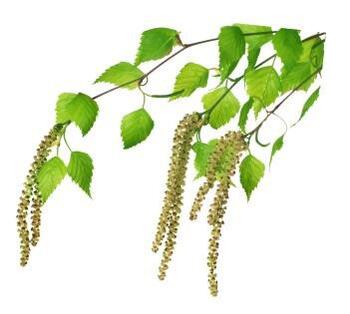
Deciduous tree with white bark. For medical purposes it is used in the treatment of diseases of the kidneys and other organs.
Birch preparations (leaves and buds) are used for mild to moderate edema of cardiovascular and renal origin. Birch leaves are prescribed for chronic kidney diseases, cystitis, urolithiasis, uric acid diathesis, nephrosis and nephritis; in the treatment of liver diseases, jaundice, mild forms of cholecystitis and cholecystoangiocholitis. Birch buds are prescribed for respiratory diseases: laryngitis, bronchitis, tracheitis, glossitis, tonsillitis; otitis media, acute respiratory diseases; for diseases with suppurative processes (abscesses, mastitis, peritonitis, furunculosis, phlegmon).
Infusions and decoctions of birch buds are used: in dentistry - for stomatitis, gingivitis, periodontal disease; in gynecology – for nephropathy, cervical erosions and endometritis. In dermatology, birch preparations are used for acne, neurodermatitis, eczema, dermatitis, etc. Birch buds and leaves are included in preparations and dietary supplements.
In nature, there are up to 120 species of birch, which belong to the birch family. Two types of birch are widely used in medicine:
- silver birch
- fluffy birch
Birch is a deciduous tree, up to 20 m high, with white, easily exfoliating bark. The leaves are alternate, triangular-ovate or ovate-rhombic with a wide wedge-shaped or almost truncated base, doubly sharp-toothed along the edges, young leaves are sticky. The flowers are collected in female and male earrings.
Silver birch's young shoots are red-brown, bare, covered with resinous glands - warts, and the branches are usually drooping. Old trees have black-gray bark at the base of their trunks.
Downy birch has non-hanging branches, and the bark at the base of the trunk remains white until old age. Annual shoots and leaves of birch are covered with short, small hairs; the shoots are without warts.
Birch is widespread throughout the European part of Russia and the CIS countries (except for the Far North and South), in Western and partly Central Siberia, Northern Kazakhstan, Western Tien Shan and the Caucasus, in the east it reaches Baikal.
Birch leaves contain essential oil with a pleasant balsamic odor (up to 0.8%), which includes the sesquiterpene alcohol betulol (25 - 47%) and its esters with acetic acid (30 - 40%), the bicyclic sesquiterpene lactone betulen, triterpene bicyclic alcohols, triterpenoid betulin. The leaves also contain flavone and flavonol glycosides (1.96–5.56%): hyperoside, rutin, avicularin; tannins, coumarins, phenolcarboxylic acids, vitamins E, C, PP, carotenoids.
Birch buds contain essential oil (0.2–8%), consisting of the sesquiterpene alcohol betulol (25–47%) and its esters with acetic acid (30–40%), betulenic and palmitic acid, bicyclic sesquiterpene lactones of betulen, sesquiterpene β -caryophyllene and its monoxide, triterpene bicyclic alcohols α-, β- and γ-betulenols - 1.8–14%, α-betulenol acetate, betulin triterpenoid, alkaloids (0.1%), naphthalene, paraffin, yellow dye, n -pentacosane, resin (5-hydroxy-7,4-dimethoxyflavone).
Birch buds also contain flavone and flavonol glycosides (1.96–5.56%): hyperoside (0.8-1.5%), 5-hydroxy-7,4-dimethoxyflavone (0.3%), 3- Myricetin D-digalactoside (0.37%), quercitrin (0.14%), avicularin (0.57%), quercetin 3-glucuronide (0.25%), isorhamnetin, other kaempferol and apigenin derivatives; sterols, tannins (1.07–9%), bitters, coumarins (0.09–0.44%), anthocyanins, resins (betulester), butyl ester of betulorethic acid, 8–10% sugars, inositol, ascorbic acid (up to 2.8%) and nicotinic acid, nicotinamide, carotene.
Birch leaf preparations have a moderately pronounced diuretic, choleretic and antispasmodic effect, and have antiseptic, antifungal, wound-healing, and anti-inflammatory properties. Leaf extract enhances the removal of sodium and chlorine ions from the body.
Birch bud tincture has a diuretic and anti-inflammatory effect, and has antimicrobial activity against staphylococci (144 strains) resistant to antibiotics.
The diuretic effect of birch preparations is exerted by flavonoids and potassium nitrate, which enhances the effect of flavonoids.
During the treatment of heart failure with birch preparations, edema disappears in patients, shortness of breath decreases, protein excretion in the urine (albuminuria) decreases, and the general condition improves; in the treatment of liver diseases - pain, vomiting, nausea decrease or disappear, the size of the liver decreases, the secretion of urine and bile increases, and the general condition improves.
The effectiveness of treating diseases with birch preparations increases when they are taken simultaneously with other medicinal plants of similar action in the form of mixtures or complex medicinal teas.