

Bird cherry fruits
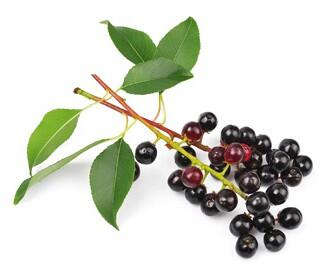
landscaping it is known as an ornamental plant. It has some healing properties, in particular astringent, diuretic, diaphoretic, etc.
Currently, scientific medicine mainly uses bird cherry fruits in the form of a decoction as an astringent and antiseptic for diarrhea and other diseases of the gastrointestinal tract. A decoction of bird cherry bark is also used as a diuretic. In gynecological practice, bird cherry is used for leucorrhoea and chronic colpitis. Infusion and decoction of the fruits are used for diarrhea in pregnant women. Bird cherry fruits are included in a choleretic collection, which is used in the form of a decoction as an astringent.
Tree or large shrub 5-18 m in height, with brown fissured bark and white-yellow lenticels. Leaves (6-15 cm long and 2.5-5 cm wide), short-petiolate, alternate, oval or oblong, pointed at the apex, rounded-wedge-shaped at the base. At the junction of the plate and the petiole there is a pair of glands. The flowers are fragrant white (1-1.5 cm in diameter), collected in thick, long drooping racemes. The fruit is a drupe (6-7 mm in diameter), with a woody inner and juicy leathery outer pericarp layers, has a strongly astringent taste. All above-ground parts of the plant have a characteristic bitter odor. Blooms in April-May. The fruits ripen in August – September.
In the European part of Russia it is found everywhere, but rarely in the Far North. It is found in large quantities in various types of forests. It grows on the edges, clearings and cleared areas. It grows in floodplains, forming impenetrable thickets. For growth it prefers rich loamy, moist, but not swampy soils. It is cultivated as an ornamental plant, including in the non-chernozem zone of Russia.
Sugars (up to 5%), organic acids (up to 0.57%: malic, citric), tannins (up to 0.48%), dyes, vitamin C, carotene, macro- and microelements (accumulates copper, cobalt). The seeds contain up to 1.5% amygdalin glycoside, the hydrolysis of which produces hydrocyanic acid. The leaves contain ascorbic acid (about 200 mg%), hydrocyanic acid (up to 0.06%), and the glycosides amygdalin and prunosine (which gives the plant an aromatic odor). The bark contains amygdalin (up to 2%), free hydrocyanic acid (about 0.1%), prulaurazine glycoside, tannins (up to 3%). All plant tissues contain phytoncides, which cause the death of many microbes, as well as multicellular organisms. Thanks to the phytoncidal properties of bird cherry, there are almost never blood-sucking mites on it. There is an assumption that the phytoncidal properties of bird cherry are mainly determined by hydrocyanic acid, a substance that blocks oxygen consumption by tissues.
Bird cherry fruits have a strengthening effect and are used in the form of a decoction as an antidiarrheal agent in the treatment of non-infectious diarrhea and other disorders of the stomach and intestines. The main pharmacological effect is exerted by tannins - condensed tannins contained in berries. In addition, the fruits contain the cyanogenic glycoside amygdalin, which in low concentrations can have an antitumor effect.
The ripe fruits of the plant also have bactericidal, anti-inflammatory and vitamin effects, and normalize the functioning of the stomach and intestines. Plant anthocyanins have P-vitamin activity and have a capillary-strengthening effect. Bird cherry leaves have a strengthening and vitamin effect, and the flowers have an anti-inflammatory, phytoncidal and wound-healing effect.
The beneficial properties of bird cherry are widely used in folk medicine. In addition to the fruits, traditional healers use the leaves, flowers and bark of the plant for medicinal purposes. A decoction of dried bird cherry bark is used as a diaphoretic, diuretic, and antidiarrheal agent. The decoction is used externally for eye diseases. Bark tincture is used for rubbing against radiculitis. The leaves in the form of tea or water infusion are taken for inflammatory diseases of the lungs and bronchi, colds, rheumatism, and scabies. Infusions of leaves can also be used for rinsing for diseases of the mucous membranes of the oral cavity. Whole leaves are applied to abscesses.