

Eleutherococcus rhizomes and roots
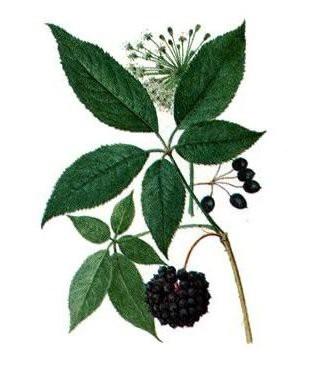
Shrub with numerous trunks. It has some beneficial properties, in particular stimulating physical and mental performance, as well as a tonic.
A liquid extract from the roots of Eleutherococcus senticosus is used as a stimulant and tonic for the central nervous system. Also, an extract (40% alcohol) from the roots of Eleutherococcus increases metabolism, stimulates physical and mental performance, stimulates the central nervous system, increases motor activity, enhances visual acuity, improves hearing, normalizes blood glucose levels, stimulates appetite, etc. d. Liquid extract of Eleutherococcus is widely used in obstetrics and gynecology, prescribed for sexual infantilism, menstrual irregularities and infertility caused by underdevelopment of the genital organs. Also used as an adaptogen for early toxicosis, hypotension in pregnant women, metabolic disorders, to stimulate the body's resistance during postpartum infectious diseases, after severe operations and during pathological menopause.
As a rule, Eleutherococcus extract is taken for 1 month. 20-30 drops of the drug are taken 30 minutes before meals. It is better to take the daily dose of the drug in the first half of the day.
There are a number of contraindications to the use of Eleutherococcus preparations: high blood pressure, atherosclerosis, acute heart failure, exacerbations of any diseases, individual intolerance, pregnancy, lactation, children under 12 years of age. If you have sleep disorders, you should not take Eleutherococcus in the afternoon.
When using this plant, the following side effects may occur: diarrhea, sleep disturbances, increased nervous excitability.
Eleutherococcus senticosus, spiny berry (wild pepper, netronnik, devil's bush) - belongs to the Araliaceae family, widely represented in tropical and subtropical regions.
Shrub 2-2.5 meters or more in height. The shoots are straight, the bark of the trunks is light brown, and the bark of the branches is almost black. The shoots are covered with thick thorns. The surface of the rhizomes is smooth or slightly wrinkled, light brown, with a faint aromatic odor. Numerous adventitious roots extend from the rhizome. The leaves are alternate, long-petiolate, palmately-five-parted, with obovate, finely toothed leaflets along the edge. The flowers are small, on thin long stalks, collected in spherical umbrellas. Staminate and bisexual flowers are pale purple, and pistillate flowers are yellowish. The fruits are berry-shaped, almost spherical, black and blue. The seeds are yellowish, with a fine-mesh surface. Blooms in July-August. The fruits ripen in September-October.
It grows wild only in the Far East, mainly in the Primorsky Territory, in the south of the Khabarovsk Territory, the southeast of the Amur region and Southern Sakhalin. Grows in broad-leaved and cedar-deciduous forests in valleys and on mountain slopes. Cultivated in some CIS countries, in particular Ukraine.
Rhizomes and roots contain special glycosides - eleutherosides (denoted by the capital letters of the Latin alphabet: A, B, B1, C, E, F, G), which determine the main pharmacological effect of the plant. Also contains: essential oil (up to 0.8%), resins, gums, lipids, polysaccharides, coumarin derivatives, flavonoids, tannins.
An adaptogenic agent, it increases a person’s mental and physical performance, reduces fatigue during physical activity, increases visual acuity and improves hearing. Taking Eleutherococcus preparations increases the excitability of the cerebral cortex without noticeably weakening the process of internal inhibition, having a stimulating and tonic effect on the central nervous system. It is especially important to note the positive effect of eleutherococcus on the body’s resistance to many unfavorable factors. They arise during work associated with cooling or overheating, with the action of toxic substances or radiation, as well as with the action of microbial toxins in various infectious diseases. This allows us to classify drugs based on Eleutherococcus as adaptogens. Natural adaptogens contribute to the formation of adaptation to unfavorable factors and strengthen the body's resistance. Athletes take them to improve their physical condition during training and competitions. For example, prescribing Eleutherococcus extract to athletes has a positive effect on physical endurance and improves their emotional state. Increased muscle performance occurs due to lower consumption of carbohydrate energy sources and earlier mobilization of lipids. Eleutherococcus extract, having a hypolipidemic effect, reduces the content of cholesterol and β-lipoproteins in the blood serum. This property of Eleutherococcus is also used in the treatment of atherosclerosis. Eleutherococcus preparations also have a sugar-lowering (hypoglycemic) effect. The use of Eleutherococcus for the treatment of patients with diabetes makes it possible to reduce the dose of insulin or reduce the number of injections. Eleutherococcus root extract can be recommended for the treatment of mild and moderate forms of diabetes in combination with hypoglycemic sulfonamides and insulin. In addition, the Eleutherococcus preparation, having a general strengthening effect, creates a favorable background for the treatment of patients, especially the elderly, with various diseases of the cardiovascular system, including rheumatic carditis, as well as with various forms of neuroses. Taking Eleutherococcus, especially for preventive purposes, makes the body more resistant to the effects of X-rays. Therefore, it is used for radiation sickness and the treatment of malignant tumors. Currently, a liquid extract from the roots of Eleutherococcus is approved for use in medical practice, which is prescribed for overwork, neurasthenia, and those recovering from serious illnesses. Large doses of Eleutherococcus extract can cause insomnia, irritability, and anxiety. With long-term use of Eleutherococcus preparations in therapeutic doses, no side effects or teratogenic effects have been established. Contraindications: arterial hypertension, myocardial infarction, fever and insomnia.
Historical reference
Chinese medicine has long used the beneficial properties of eleutherococcus (mainly its roots and rhizomes) for medicinal purposes - as a valuable medicine, not inferior in its pharmacological properties to ginseng. However, in European countries, eleutherococcus remained little known until the second half of the last century. The credit for introducing Eleutherococcus into modern medical practice belongs to domestic scientists. Work on studying the properties of this plant was actively carried out at the Institute of Biologically Active Substances in Vladivostok. In the 70s, large-scale experiments were carried out in the USSR, which involved thousands of people employed in hazardous industries, as well as people working in unfavorable climatic conditions (tropics, Arctic, highlands). It was found that regular use of Eleutherococcus preparations increases a person’s physical and mental performance and significantly reduces the incidence of illness, in particular influenza and acute respiratory infections.