

Peony rhizomes with roots
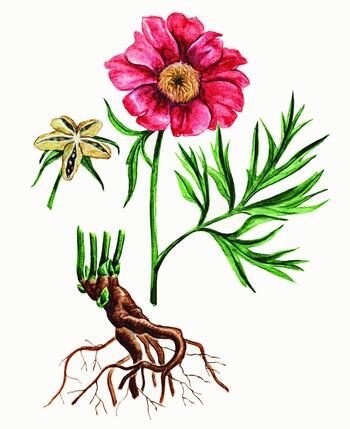
A perennial herbaceous plant with a short multi-headed rhizome, from which spindle-shaped fleshy roots extend. The stem is erect, simple, ribbed, 60-100 cm high. The leaves are glabrous, alternate, petiolate, double or triple pinnate. The stem is single-flowered. The flowers are regular, bisexual, 8-13 cm in diameter, 5-6-petalled. The petals are intensely red or pale pink, chipped at the top. The fruit consists of 3-5 multi-seeded glabrous leaflets. Blooms in May – June.
It is widespread in the forest zone of the European region, although with the implementation of reclamation work, plant reserves quickly and significantly become depleted. It is also found in Siberia and Kazakhstan, growing in coniferous, small-leaved and mixed forests.
Peony evasive is cultivated and grown in specialized farms as an industrial pharmaceutical raw material.
The roots of peony evasive contain tannins, flavonoids, starch, glucose and sucrose, salicylic acid, methyl salicylate, benzoic acid, salicin glycoside, essential oil, traces of alkaloids, sitosterol. The ash of peony rhizomes contains many minerals, in particular strontium, chromium, nickel, manganese, antimony, molybdenum, tungsten, titanium, lead, copper, magnesium, sodium, calcium, barium. Ascorbic acid, carotene, flavonoids, anthocyanins, and traces of alkaloids were found in the above-ground part of the plant.
For medicinal purposes, the rhizome and roots of the plant, as well as the grass, are harvested. The root can be dug throughout the growing season, but it is better during the flowering period of the plant.
Peony has a calming, analgesic, expectorant, appetizing properties, tones, relieves fatigue, and acts as an adaptogen. In Tibetan medicine, the plant is used for peptic ulcers, as an immunostimulating agent for chronic infectious processes and sepsis, rheumatism, gout, epilepsy, and other neurological diseases.
Tincture of evasive peony is known as a sedative for neurasthenic conditions with increased excitability (menopause, thyrotoxicosis, neurosis, residual effects of traumatic encephalopathy), insomnia, primary and secondary diabetic impotence, hypochondriacal and phobic conditions, vegetative-vascular pathologies of various origins.
Infusion and tincture increase appetite, improve digestion, they are taken for gastritis, especially with high acidity, as an astringent for diarrhea, as an expectorant, as well as for tumor diseases, menstrual irregularities, and diabetes.
An overdose of preparations from the evasive peony leads to severe vegetative disorders.
The population of the Far East, Siberia, and central Russia collects tuberous peony roots, dries them and then consumes them with meat or fish. Powdered roots impart a spicy, pungent and pleasant taste to food. The tubers of the plant are dried, then, after boiling, they are served as a side dish for meat products.
The rhizomes are collected in the fall, washed, dried and then dried in an oven or dryer. Store in paper bags or boxes. Dried rhizomes are boiled until half cooked, and then added as a side dish to meat stewed until half cooked. Add onion, sprinkle with grated carrots, add salt and spices and simmer under the lid. Serve to the table, sprinkled with herbs.