

Yarrow grass
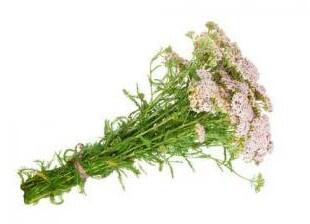
A perennial herbaceous plant that is used for medicinal purposes as a hemostatic and anti-inflammatory agent.
Common yarrow is a perennial, asteraceous, low-growing, fragrant plant. The rhizome of the plant is thick, yellow in color, with many roots and underground shoots. The plant has an erect stem, weakly branching in its upper part. On a low stem there are alternate leaves of gray-green color, which can be bare or pubescent. There are oil glands on the underside of the leaves. At the top of the stem there is an inflorescence consisting of many small flower baskets. The fruit of the plant is an oblong achene, colored silver-gray. The plant blooms from early summer to early autumn. The fruits ripen in September-October.
Yarrow is found throughout Russia, Central Asia and the Far East. The plant prefers to grow on the edges, clearings in the forest, along the sides of roads. Yarrow grows in gardens, populated areas, and parks in lighted and weed-free areas.
Yarrow officinalis. The plant is well known to traditional healers for its medicinal properties. Yarrow is an unpretentious flower; it is the progenitor of many ornamental varieties for the garden, distinguished by its bright colors and hardiness. In nature, the plant grows in open areas, in light forests. Yarrow has many finely dissected leaves at the base of the stem, and this justifies the name of the flower. Small flowers are collected in large umbrella inflorescences.
Yarrow has been used as a medicinal plant since ancient times. Even the Greek hero Achilles healed him with the grass of his bleeding soldiers. From some ancient names translated into modern languages, one can understand for what diseases and who was treated with this flower: “yarrow of knights”, “herb of soldiers’ wounds”, “herb of blood”, “consumptive herb” and so on.
After conquering the lands, the ancient Romans always sowed this plant near their military camps and called it military grass. Yarrow was specially planted near workers' workshops so that fresh grass was always at hand and a bandage from the plant could be applied in case of injury or an open wound. In addition, yarrow was used for magical rituals. With the help of the plant they told fortunes, cast spells and cast spells.
In the 17th century, the herb began to be added to food as a spice, since the leaves and flowers of the plant have a rather pleasant taste. The most attractive for medicinal purposes are the flowering tops of plants, cut off together with a stem no more than 15 cm long. The flowers are picked at a distance of 2 cm from the top of the plant. The raw materials are dried in the shade and stored for no more than two years.
Yarrow has antibacterial and anti-inflammatory properties . The plant has a positive effect on human internal organs, and it also promotes the formation of mucus and relieves gases in the intestines. Yarrow acts on the smooth muscles of the intestines. The plant has an antispasmodic effect on the biliary and urinary tract. Due to the content of tannins, chamazulene and essential oil in the herb, it is used as a wound-healing, bactericidal and anti-allergic agent.
An infusion of the plant is used to increase blood clotting and reduce the risk of blood clots. Yarrow also helps with burns. In addition, the plant can reduce the heart rate.
Traditional medicine uses the aerial part of the plant in the treatment of bleeding and inflammation of various kinds. The plant is used for flatulence, stomach ulcers, gastritis and heavy menstruation. The herb helps with dysentery and as a remedy that increases appetite and improves the digestion process.
Yarrow decoction is used for nosebleeds, tuberculosis and hemoptysis. An infusion of the plant is recommended for diathesis, hysteria, urinary incontinence, obesity and as a means of improving lactation.
The plant helps cure bleeding gums and atherosclerosis. The decoction is used to make enemas for hemorrhoids. Yarrow-based baths are used for skin diseases. The juice of the plant mixed with honey is used as a general tonic. The juice of the plant is also used for skin tuberculosis, fistula and ulcers.
Medicinal properties of yarrow
Yarrow is an effective hemostatic agent; it is used for internal and external bleeding. The herb is also good for inflammation of the uterus and diseases of the gastrointestinal tract. Preparations made from it eliminate metabolic disorders.
Yarrow flower baskets and leaves are rich in vitamins K, C, tannins, essential oils, phytoncides and carotene. Thanks to the combination of such biologically active substances, the plant is used in the treatment of:
- catarrh and stomach ulcers
- malaria
- pulmonary tuberculosis
- kidney stone disease
- women's diseases
- colds
- hemorrhoids
- diarrhea
- liver diseases
- anemia
- headaches
- nervous diseases
- hypertension.
Contraindications to the use of yarrow
Yarrow preparations should not be used by pregnant women. The plant should not be used by people with thrombosis. You should not take medications from this plant for a long time, because it can cause skin rashes or dizziness.